- Travel Alert
-
Places to go
-
Things to do
-
Adventure
Nature
Culture
Wellness
Others
-
-
Festivals & Events
-
Festivals
Event Calendar
-
-
Plan Your Trip
-
Trip Ideas
Travel Details
Book Your Trip
-
- About Us
- Travel Update
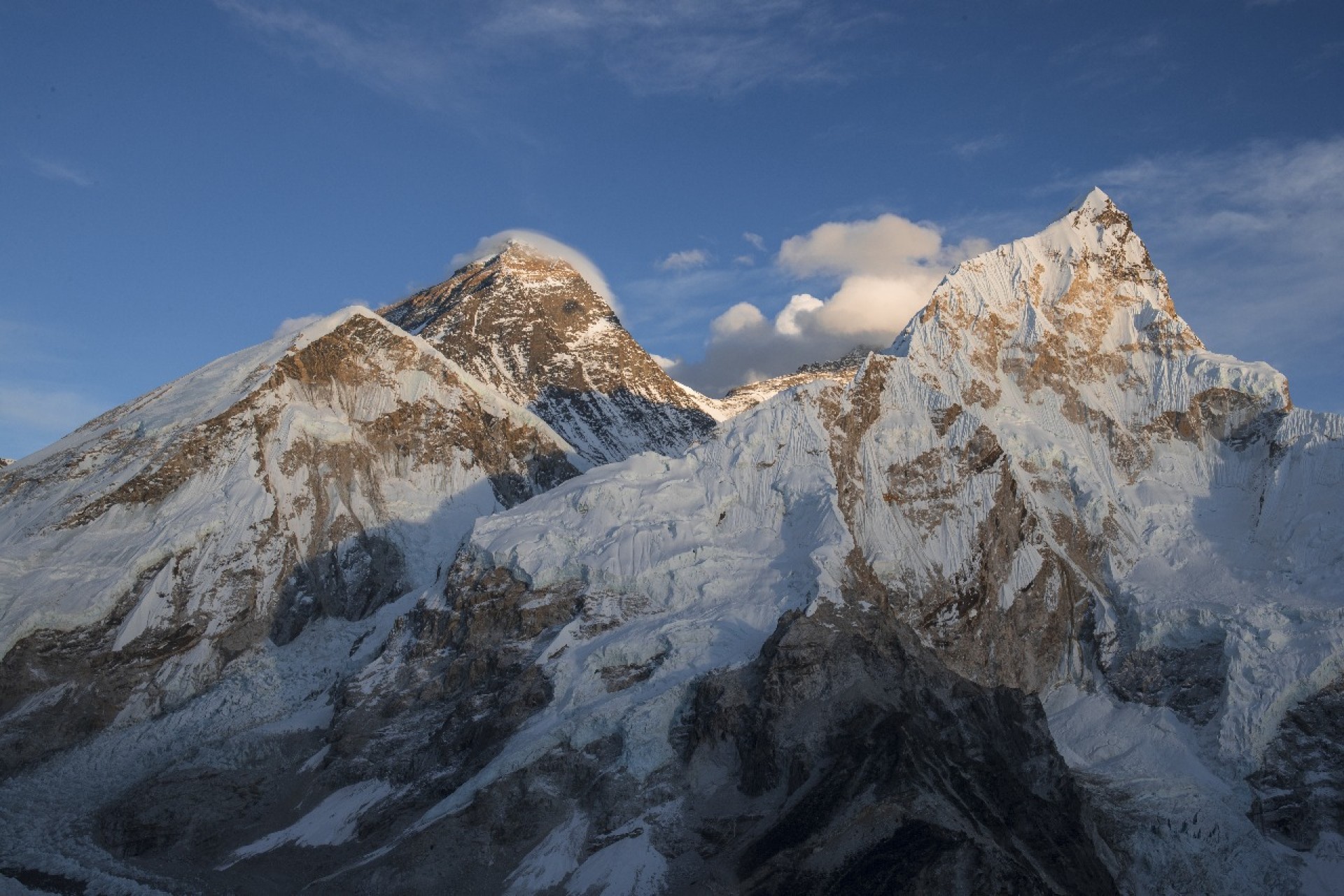
The Glaciers in the Khumbu Region of Nepal Himalaya
International Mountain Day 2025
Theme: “Glaciers matter for water, food and livelihoods in mountains and beyond.”
The Himalayas are home to the highest mountain peaks and they also account for the third biggest deposit of ice and snow in the world, after Antarctica and the Arctic. Glaciers in these mountains are sources to the largest perennial river systems in South Asia, namely Indus, Yangtze and the Brahmaputra-Ganga. Almost a billion people in South Asia depend on these rivers for livelihood.
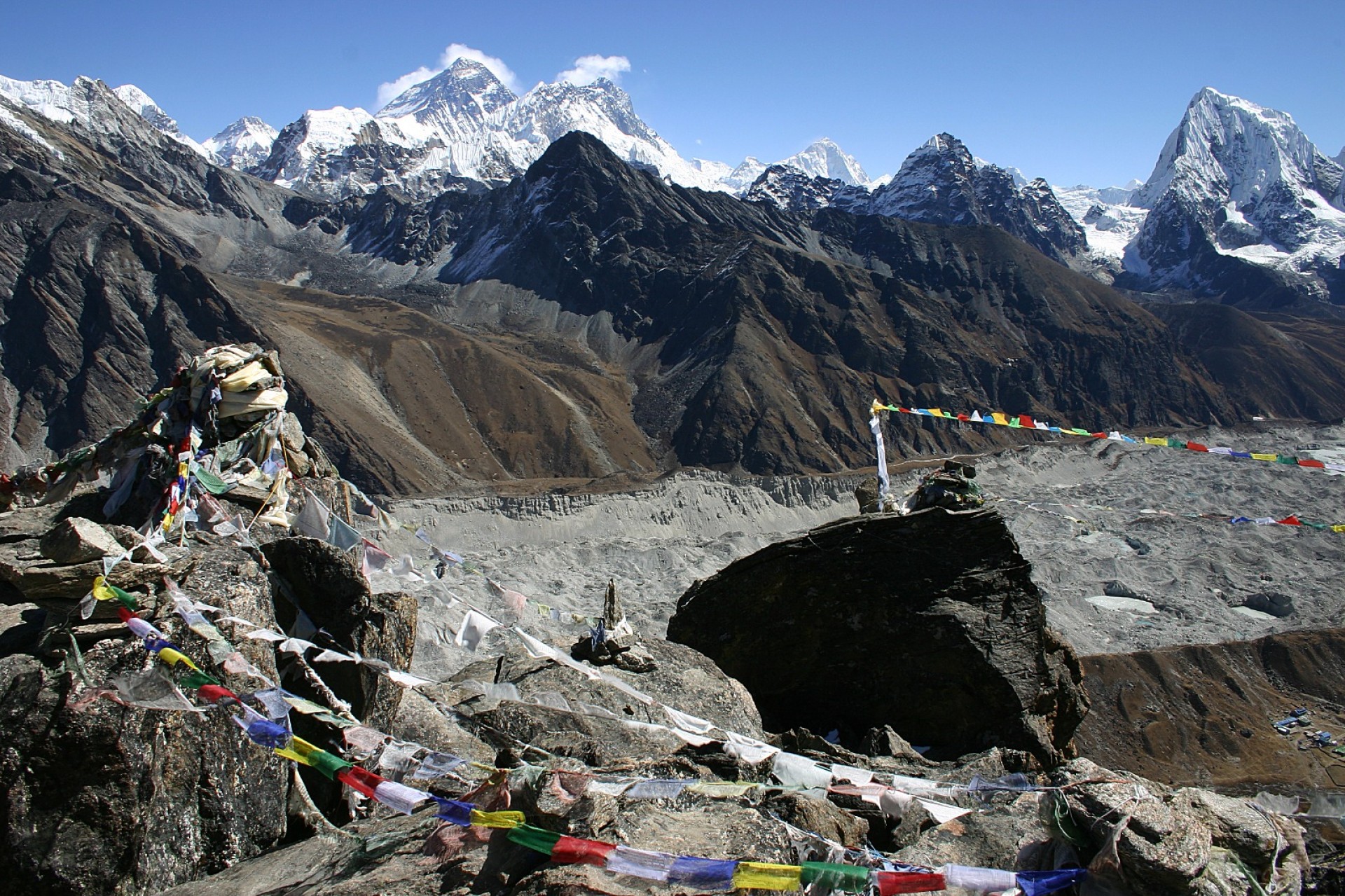
The Khumbu region of Nepal, home to Mt. Everest - 8,848 m, the highest peak in the world, is an integral part of the 1,500-mile Himalayan range. As with the rest of the Himalayas, because of global warming, glaciers of the Khumbu region have been observed to have receded by as much as 30 m per year and almost 50 m vertically in the last 50 years.
Research has established that as much as 13 percent of glacial snow has melted in the Khumbu region since the 1950s. If the melting continues at the same rate, researchers and glaciologists believe that there will be no glaciers left in the Khumbu region by 2100.
The prediction paints a grim picture of the beautiful mountains losing snow to be transformed into bare rocks in less than a century. However, the implications don’t end there. With the continued melting of these glaciers, dreadful changes are anticipated for communities living in the region and downstream.
For one, the glacier melt can lead to glacier lake outburst floods (GLOF) the mountains that do impact downstream catchment areas. Similarly, the altitudinal shifting of snowline and excessive melting of glaciers will bring about shortage of fresh water in the whole territory and region.
This isn’t just about melting snow.
Increased risk of glacier lake outburst floods (GLOFs)
Water shortages across mountain and downstream communities
Impacts on agriculture, hydropower, tourism and the very livelihoods of mountain people
On this International Mountain Day, let’s stand together to protect our mountains for our water, our food systems, and the millions who depend on them.
Glaciers matter. Mountains matter. Our actions matter.




Nepal Tourism Board is a national tourism organization of Nepal established in 1998 by an Act of Parliament in the form of partnership between the Government of Nepal and private sector tourism industry to develop and market Nepal as an attractive tourist destination. The Board provides platform for vision-drawn leadership for Nepal’s tourism sector by integrating Government commitment with the dynamism of private sector.
Nepal Tourism Board
Other Sites
Site by: Web Creation Nepal